Choosing a centrally located hotel in the United States can mean the difference between spending your time exploring and spending it commuting. The USA spans six time zones and dozens of distinct travel regions, so what counts as a "central" hotel varies dramatically - a central stay in Colorado Springs puts you near mountain trailheads, while central Branson, Missouri drops you within walking distance of live entertainment venues. This guide cuts through the noise and compares four specific properties across different U.S. destinations, giving you the booking facts you need before you commit.
What It's Like Staying in the United States
The United States offers a travel experience unlike any other country in scale - from the red canyon landscapes of the Southwest and the Ozark Mountains of Missouri, to the Atlantic coastline of New Jersey and the urban sprawl of Texas. Crowd patterns shift sharply by region: coastal destinations like Wildwood Crest peak hard in July and August, while inland cities like Colorado Springs and San Marcos draw visitors year-round. Staying centrally in any U.S. city typically means trade-offs between noise, walkability, and price - central properties in tourist-heavy towns can run around 30% more than equivalent rooms on the outskirts.
Central hotels in smaller U.S. cities often outperform their big-city equivalents in value, giving you proximity to local dining and attractions without the premium pricing of places like New York or Chicago. Travelers who benefit most from central U.S. stays are those with packed itineraries, limited rental car flexibility, or short visit windows. Those who prefer silence and space over convenience may find suburban or resort-adjacent properties more suitable.
Pros:
- Walking access to dining, entertainment, and local attractions reduces daily transport costs
- Central U.S. hotels frequently offer free parking - a meaningful saving not common in major metros
- Proximity to highway junctions makes multi-destination road trips significantly more manageable
Cons:
- Central locations in entertainment districts (like Branson) can generate significant nighttime noise
- Smaller central properties may lack amenities like fitness centers or on-site dining
- Peak-season demand in tourist towns means availability tightens weeks in advance
Why Choose a Centrally Located Hotel in the United States
Central hotels across the U.S. vary wildly in what "central" actually delivers - in a city like Colorado Springs, a central stay puts you minutes from downtown restaurants and within a short drive of Garden of the Gods, while in a beach town like Wildwood Crest, central means beachfront access and boardwalk proximity. Room sizes at mid-tier central hotels in smaller U.S. cities typically range around 25-30 square meters, which is standard but noticeably tighter than resort properties. The real advantage of central U.S. hotels is the convergence of price, access, and amenities - properties in this category frequently bundle free parking, free Wi-Fi, and breakfast into the base rate, something that almost never happens at equivalent urban hotels in Europe.
What differentiates central hotels in the U.S. from budget motels or highway-adjacent lodging is their deliberate positioning relative to the activity core - whether that's a shopping outlet, a university campus, a national park gateway, or a beachfront. Free parking is included in most central U.S. hotel rates, which matters enormously in car-dependent cities where daily parking can otherwise cost $15-$25. The trade-off is that foot traffic and entertainment noise are real factors, especially in destination towns built around tourism.
Pros:
- Bundled amenities (parking, Wi-Fi, breakfast) lower the effective daily cost compared to headline room rates
- Central positioning cuts daily driving time and simplifies multi-stop itineraries
- Mid-tier central hotels in U.S. small cities frequently offer pools and fitness access not found at price-equivalent motels
Cons:
- Proximity to entertainment or commercial zones brings foot traffic and noise into evenings
- Central properties in tourist towns book out weeks ahead during peak season with limited last-minute availability
- Some centrally labeled properties are close to highways rather than walkable downtown cores - verify exact location before booking
Practical Booking and Area Strategy
The U.S. destinations covered in this guide each require a different booking strategy. Colorado Springs is a year-round destination with a sharp summer peak - book central properties at least 6 weeks ahead for June through August travel, particularly during Pikes Peak events and Air Force Academy graduation season. Branson, Missouri operates on a condensed tourism calendar centered on summer and fall foliage season, with Silver Dollar City drawing large crowds in October. San Marcos, Texas - positioned on Interstate 35 between Austin and San Antonio - benefits from its outlet mall proximity, making weekends busier than weekdays. Wildwood Crest on the Jersey Shore is strictly a summer-season destination where July weekends see near-full occupancy across the beachfront strip.
For travelers doing multi-city U.S. road trips, San Marcos works as a strategic midpoint stopover between two major Texas metros, while Colorado Springs functions as a base for day trips to Rocky Mountain National Park (around 2 hours north) and the Royal Gorge. Branson is most efficient as a 2-3 night standalone destination given the volume of ticketed shows and attractions concentrated within a few miles. Wildwood Crest is a pure beach stay - the boardwalk, Morey's Piers, and Splash Zone are all within walking distance of beachfront hotels.
Central Hotels in Texas and the Jersey Shore
These two properties anchor opposite ends of the U.S. geography and travel profile - one serves highway travelers and outlet shoppers in Central Texas, the other sits steps from one of the East Coast's most active beachfront boardwalks.
-
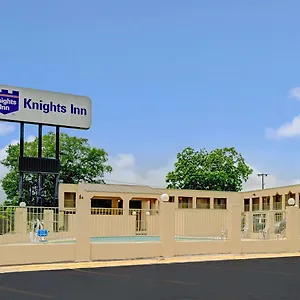
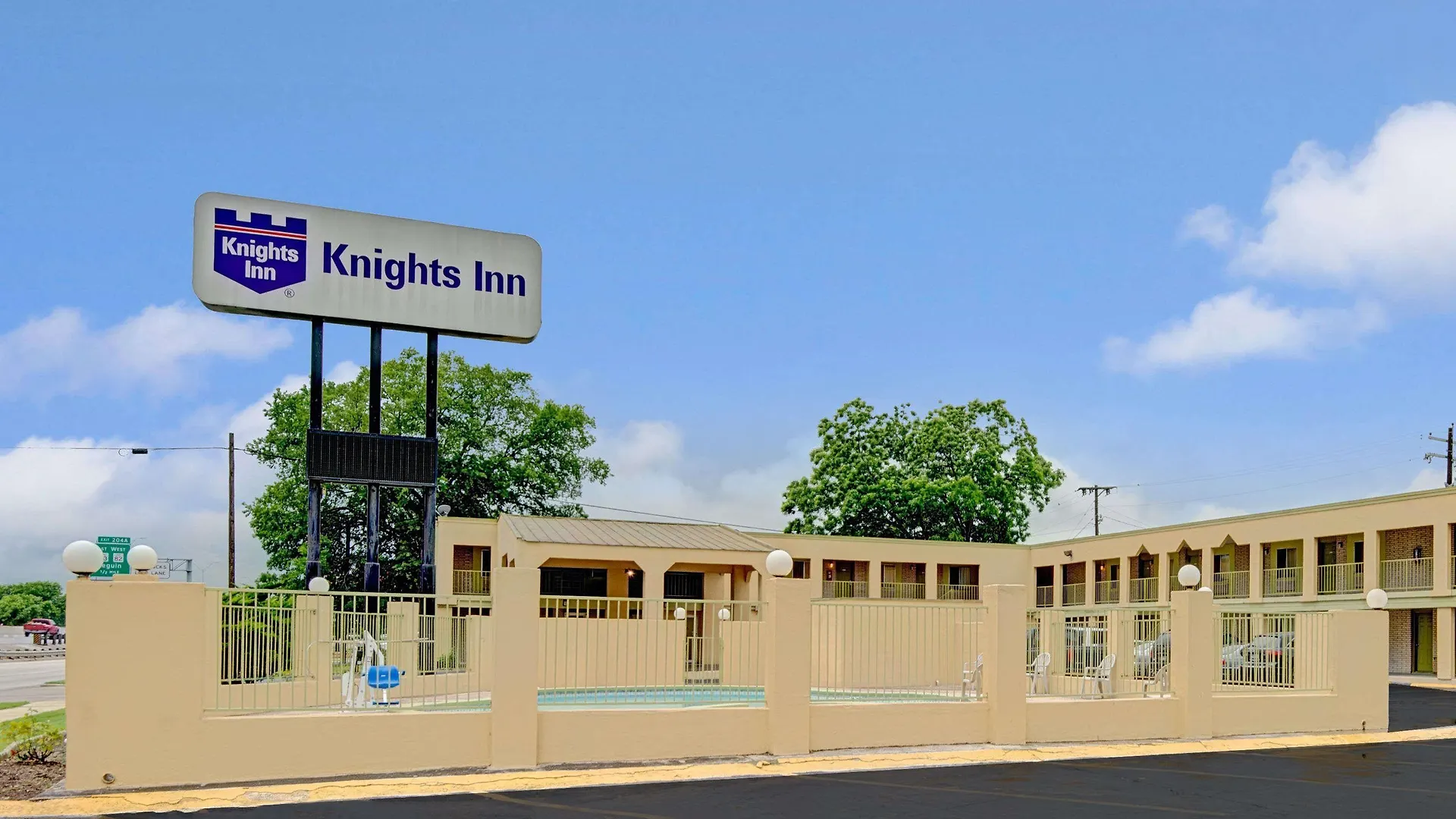
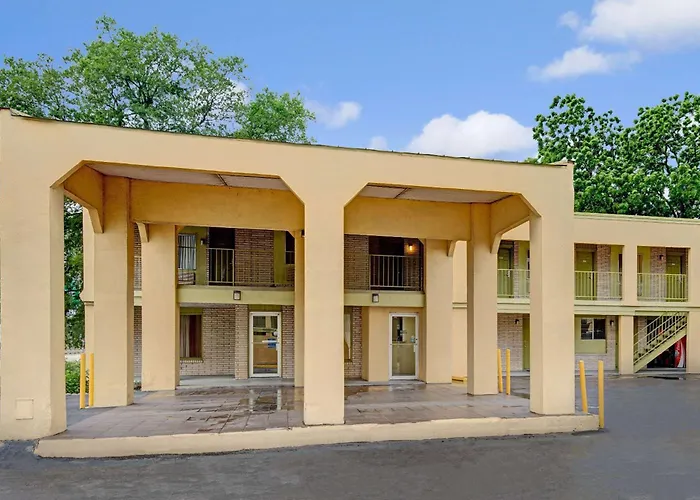
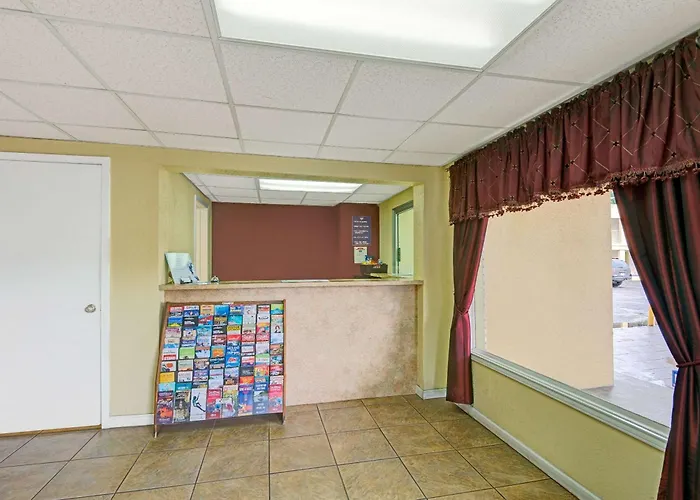
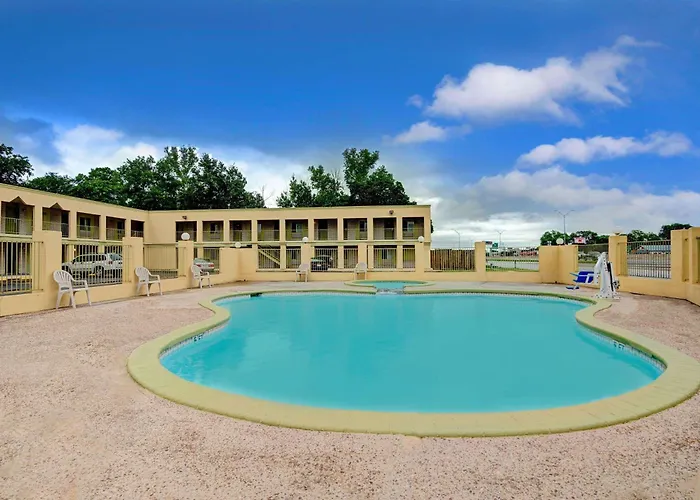
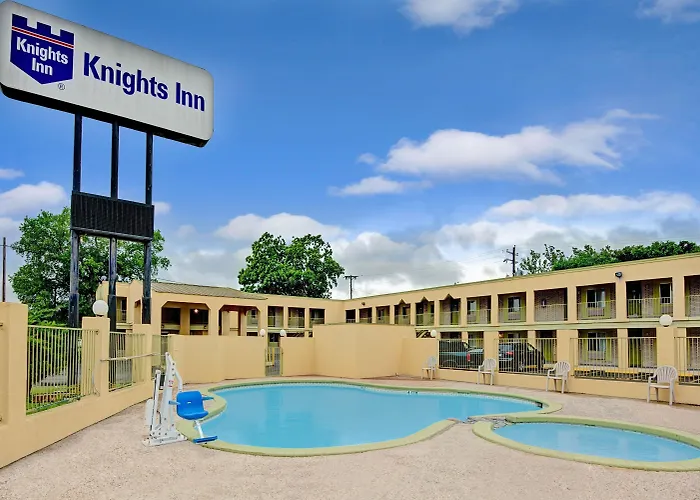
1. White Rock Inn
Show on map
 Check-infrom 14:00 until 23:59Check-outuntil 11:00
Just a few rooms left at the best rate!
fromUS$ 134
-
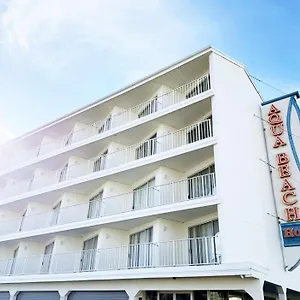
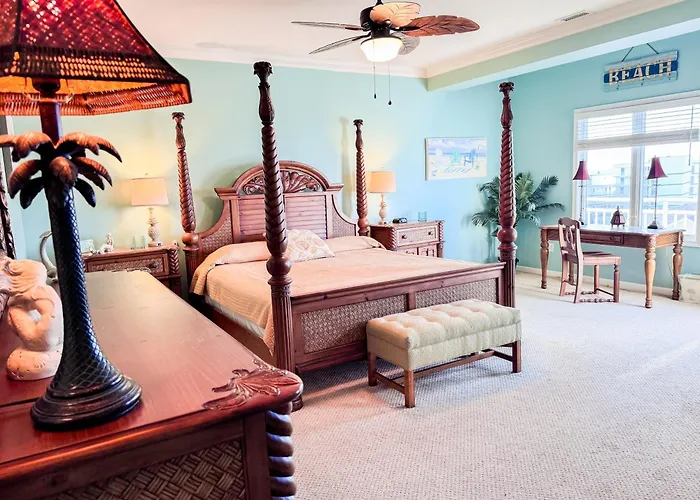
2. Aqua Beach Hotel
Show on map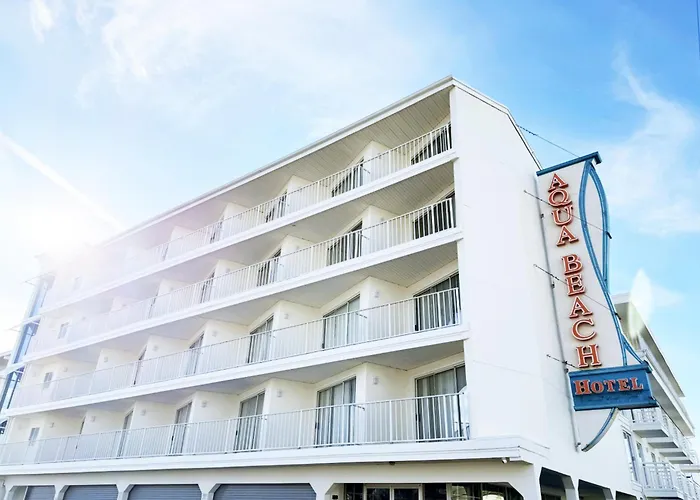
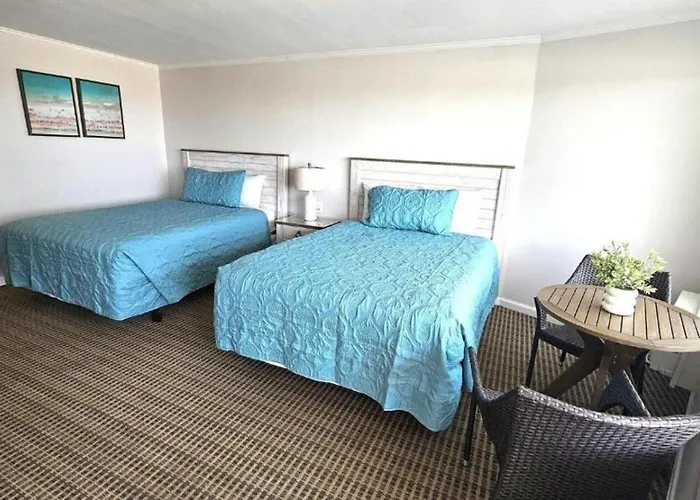
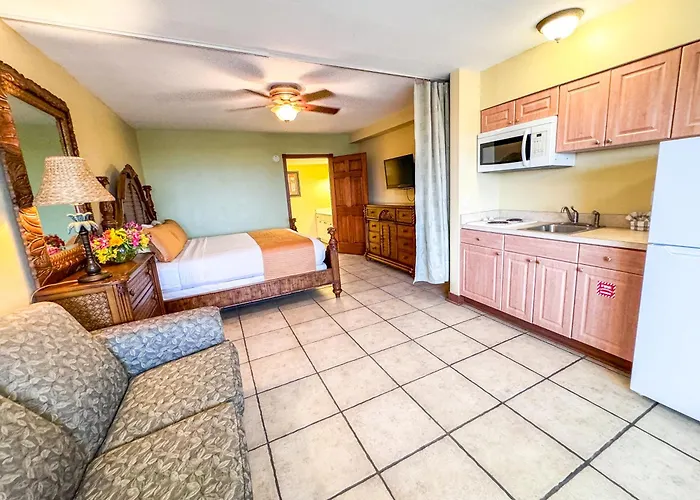
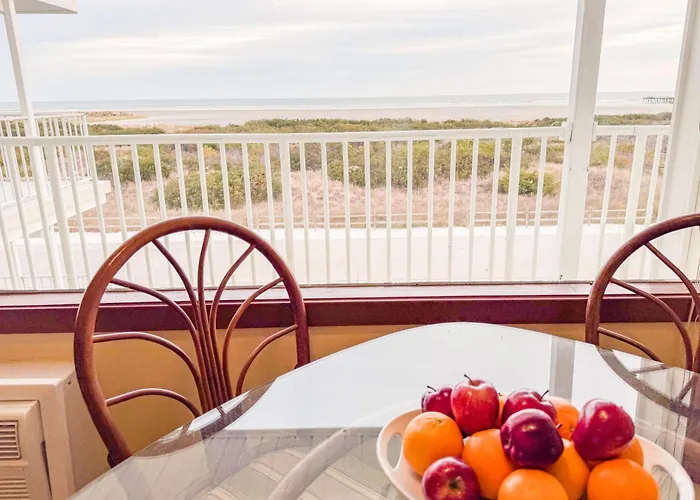 Check-infrom 16:00 until 23:59Check-outuntil 10:00
Just a few rooms left at the best rate!
fromUS$ 82
Central Hotels in Colorado Springs and Branson
Both of these properties serve high-activity tourism destinations - one a mountain city with outdoor recreation access, the other an entertainment-driven destination in the Ozarks. Each delivers strong central positioning relative to their local attraction clusters.
-
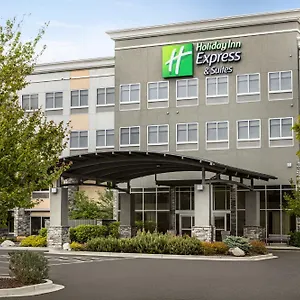
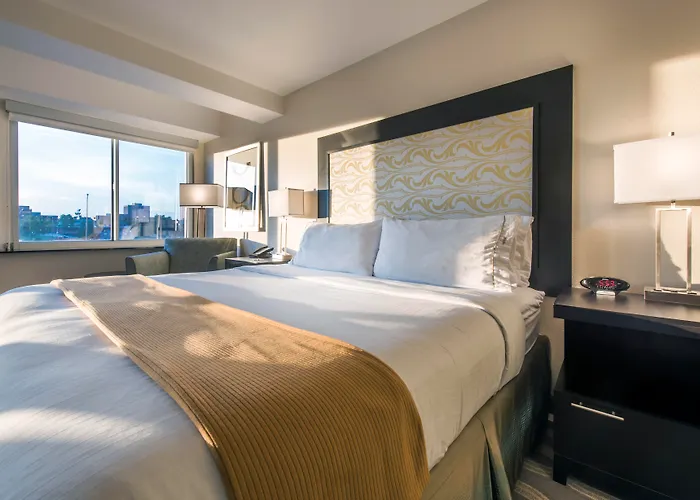
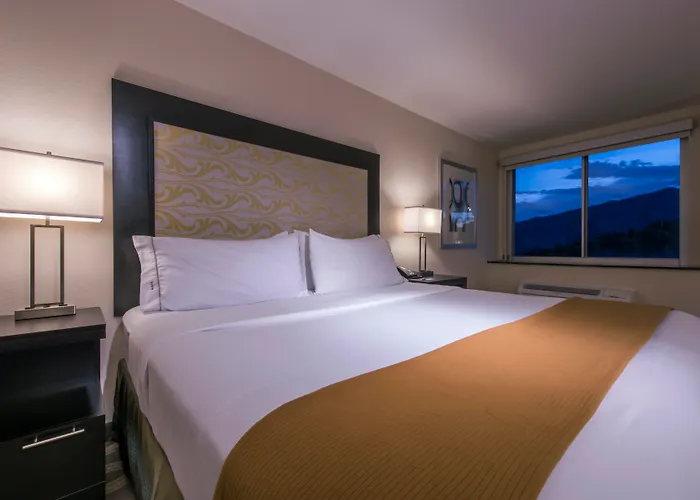
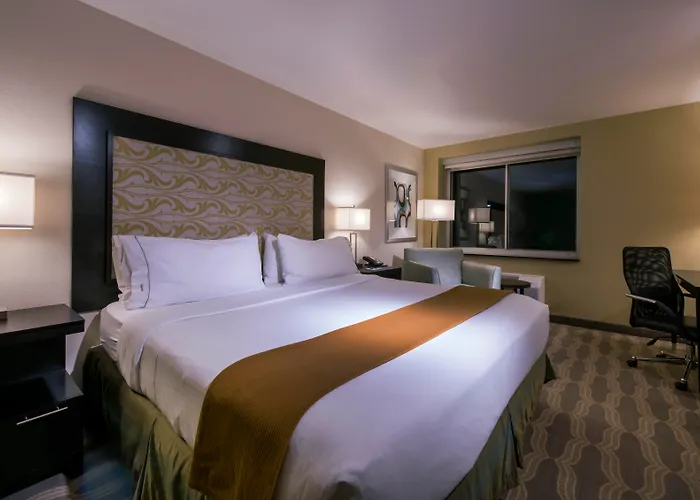
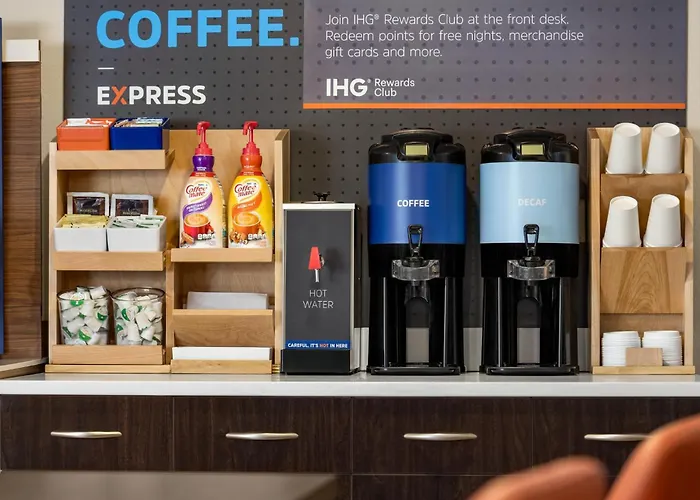
3. Holiday Inn Express & Suites Colorado Springs Central By Ihg
Show on map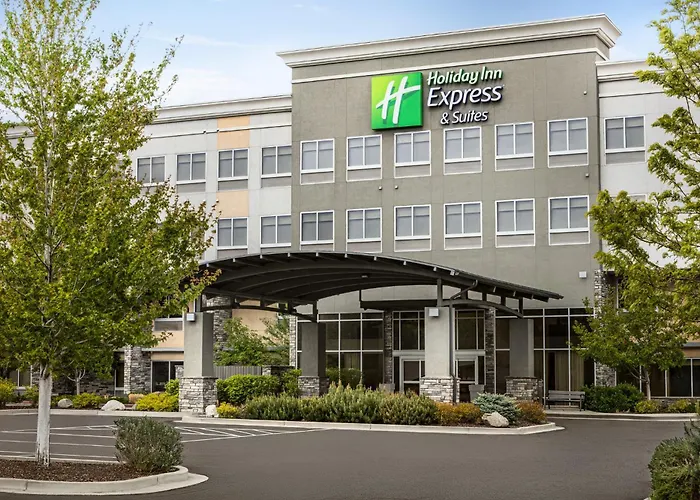
 Check-infrom 15:00 until 23:59Check-outuntil 12:00
Hurry – almost gone at this price!
fromUS$ 232
-
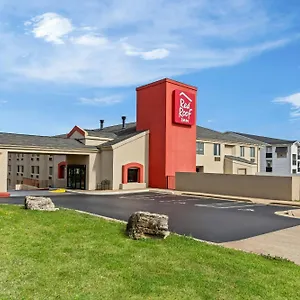
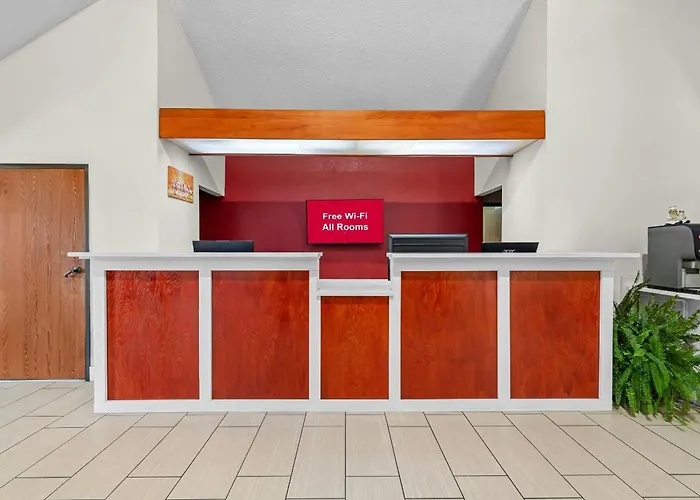
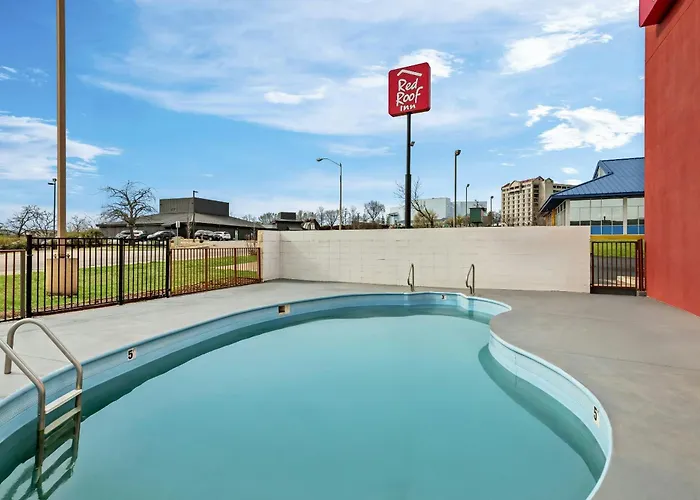
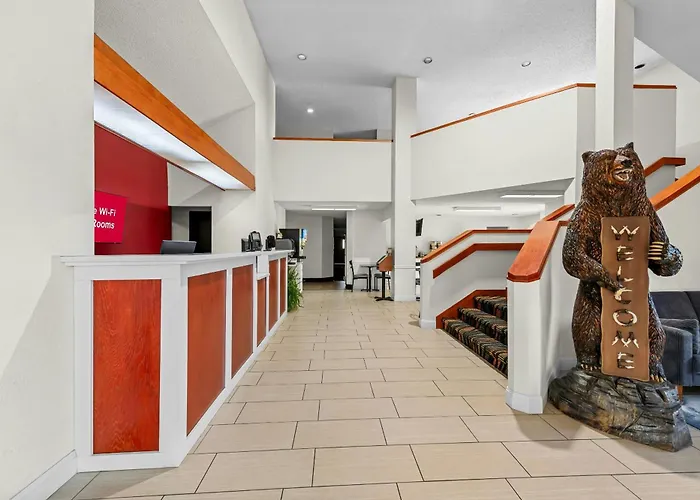
4. Red Roof Inn Branson
Show on map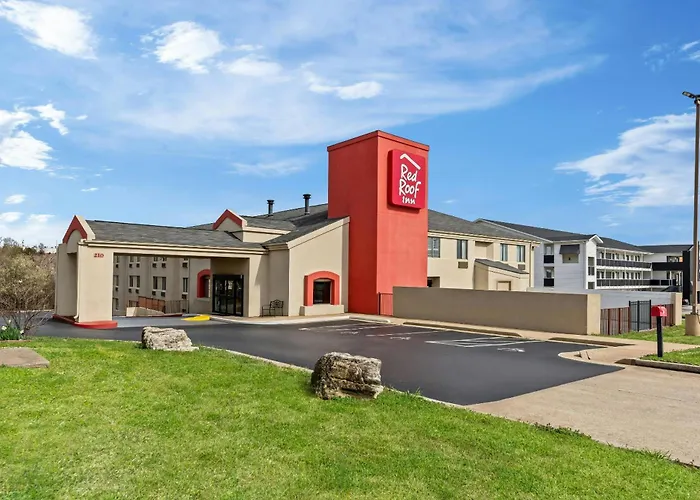
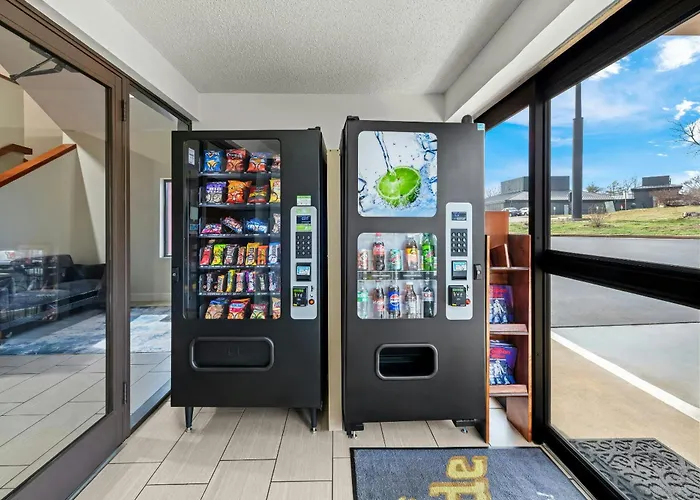 Check-infrom 15:00 until 23:59Check-outuntil 11:00
Rooms filling fast – secure the best rate!
fromUS$ 60
Smart Travel and Timing Advice for Central US Hotels
Timing your U.S. hotel booking depends heavily on which region you're targeting. Colorado Springs sees its sharpest price spikes in July and August, driven by outdoor recreation demand and military-related events at the Air Force Academy - booking 8 weeks ahead for summer is a reliable baseline. Branson's calendar peaks twice: summer (June-August) for families, and October for the National Crafts Festival and fall foliage season, when accommodation fills up fast across the Strip. San Marcos operates more steadily year-round, though outlet mall tax-free shopping weekends in November (around Black Friday) create short demand bursts that push rates up.
Wildwood Crest runs an almost exclusively summer-driven season - the property operations mirror the beach calendar, with most hotels closed or reduced-service outside Memorial Day to Labor Day. For a beach stay at Aqua Beach Hotel, July 4th weekend is the single busiest window of the year and should be booked months in advance. Last-minute deals are rare in coastal New Jersey in July but more common in inland destinations like Colorado Springs and San Marcos during shoulder months (April-May and September-October). For most of the properties in this guide, a stay of 2 nights is the practical minimum to make the most of local attractions without feeling rushed - Branson specifically benefits from 3 nights given the density of ticketed shows and the drive time to Silver Dollar City.
Frequently Asked Questions
Which of these four hotels is the most affordable option?
White Rock Inn in San Marcos, Texas, is consistently the most budget-accessible property in this selection. Its motel-style format, highway-adjacent location, and limited amenity set keep nightly rates lower than the IHG-branded Colorado Springs property or the beachfront Aqua Beach Hotel in Wildwood Crest. It's a strong choice for single-night stopovers on I-35 road trips.
Which hotel offers the best value for the price?
Holiday Inn Express & Suites Colorado Springs Central delivers the strongest all-in value - buffet breakfast, free shuttle, indoor pool, hot tub, and fitness center are all included. For travelers who would otherwise pay separately for breakfast and airport transfers, the bundled amenities make the higher nightly rate financially competitive.
When should I book these hotels to get the best rates?
For Colorado Springs, book at least 6-8 weeks ahead for summer travel. Branson requires advance planning for October (fall season) and July. Aqua Beach Hotel in Wildwood Crest should be booked months ahead for any July stay - the Jersey Shore window is short and heavily concentrated. San Marcos is the most flexible for last-minute bookings outside of outlet-shopping holidays.
Are these hotels suitable for families with children?
White Rock Inn and Aqua Beach Hotel both list family rooms as a key facility. Aqua Beach Hotel's kitchenette option and proximity to Morey's Piers and Splash Zone make it the most family-functional property. Red Roof Inn Branson is positioned near family-friendly Branson attractions including Silver Dollar City and the Titanic Museum.
Do these hotels include parking?
Yes - all four properties in this guide include free parking. This is a meaningful differentiator versus hotels in major U.S. metros where parking fees can add $20-$30 per night to the effective rate.
Which hotel is closest to its city's main attractions?
Red Roof Inn Branson has the tightest proximity to its destination's core attractions - 1.1 km from Andy Williams Moon River Theater and 1.6 km from the Titanic Museum. Aqua Beach Hotel at 200 meters from the beach is the closest property to its primary draw in this selection.
Is it worth staying in Branson or Colorado Springs for more than 2 nights?
Branson benefits most from 3 nights - the concentration of evening shows, Silver Dollar City, and Branson Landing each consume a full day. Colorado Springs is efficiently covered in 2 nights for hiking-focused travelers, but adds value for a 3rd night if you plan a Pikes Peak summit or Royal Gorge day trip.
Which hotel has the best amenities for active travelers?
Holiday Inn Express & Suites Colorado Springs Central is the clear leader here - indoor pool, hot tub, fitness center, and a free shuttle make it the most equipped property for travelers doing outdoor activities in the Colorado Springs area. The indoor pool is especially practical after cold-weather hikes.